Call Us Anytime
+91 1146008555

Call Us Anytime
+91 1146008555Insecticides vs Herbicides vs Fungicides Explained Simply
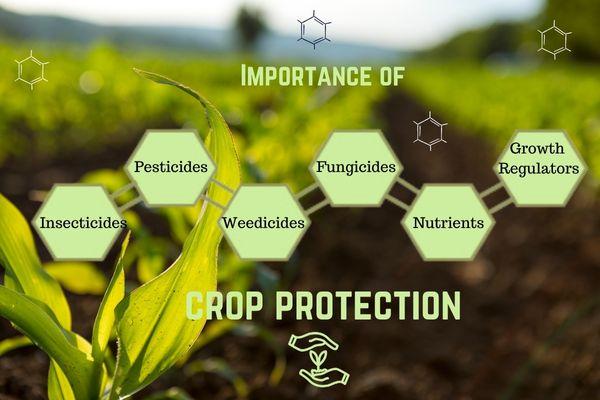
Farming is not just about growing crops — it is also about protecting them. Crops face constant threats from insects, weeds, and diseases. To manage these, farmers use different types of crop protection chemicals.
The three most common categories are insecticides, herbicides, and fungicides. Understanding their difference helps in choosing the right solution and avoiding unnecessary losses.
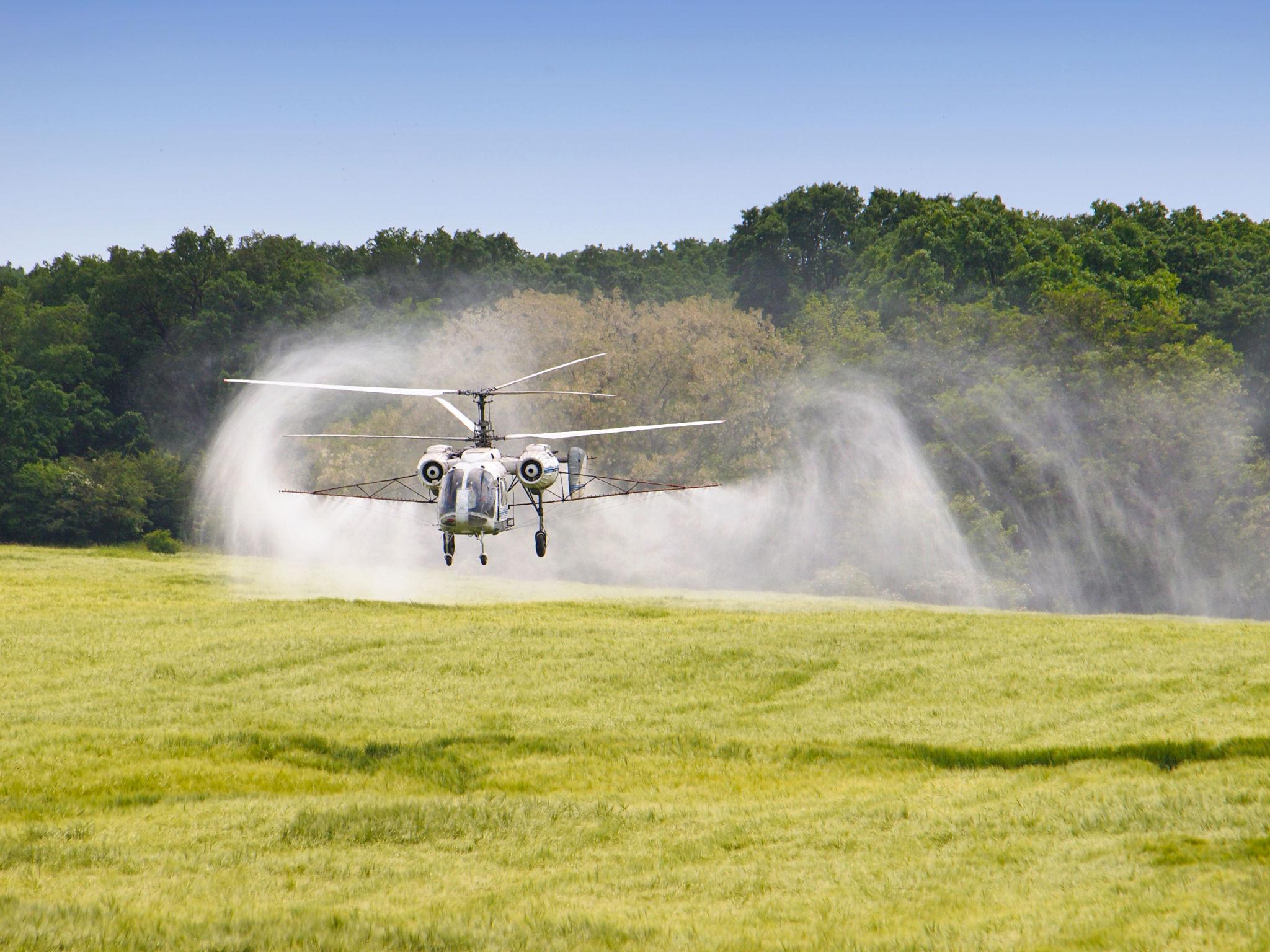
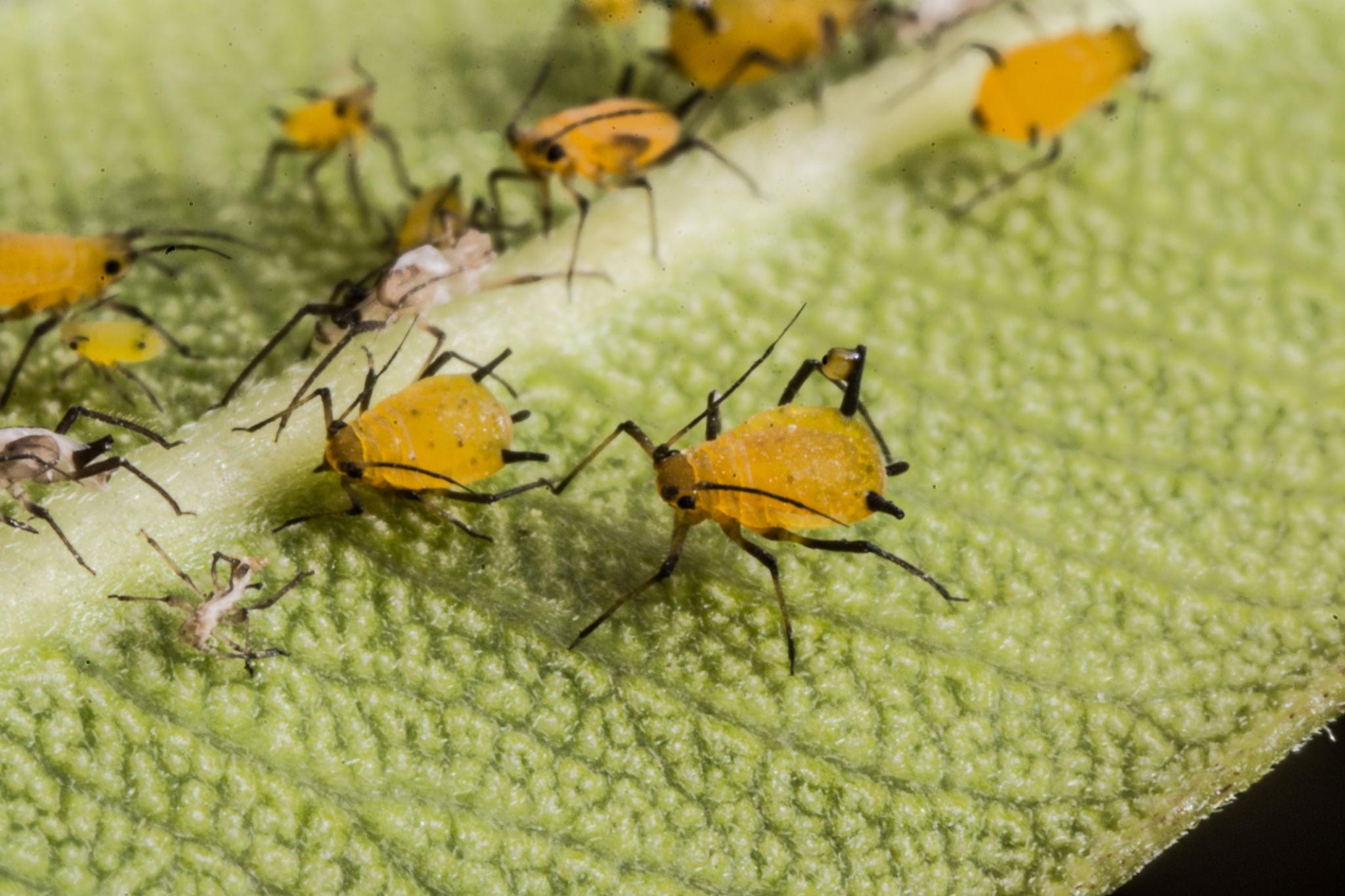
Insecticides are used to kill or control harmful insects that attack crops. These insects feed on plant parts and can severely reduce yield.
Insecticides may work through contact, stomach action, or systemic absorption.
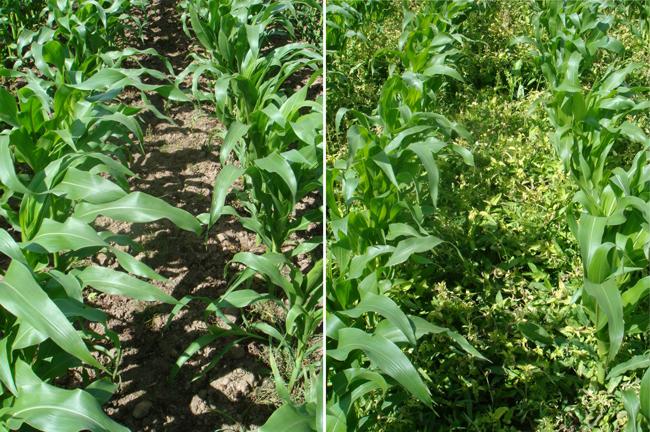
Herbicides are used to control weeds — unwanted plants that compete with crops for nutrients, water, and sunlight.
Herbicides can be selective (target only weeds) or non-selective (kill all vegetation).
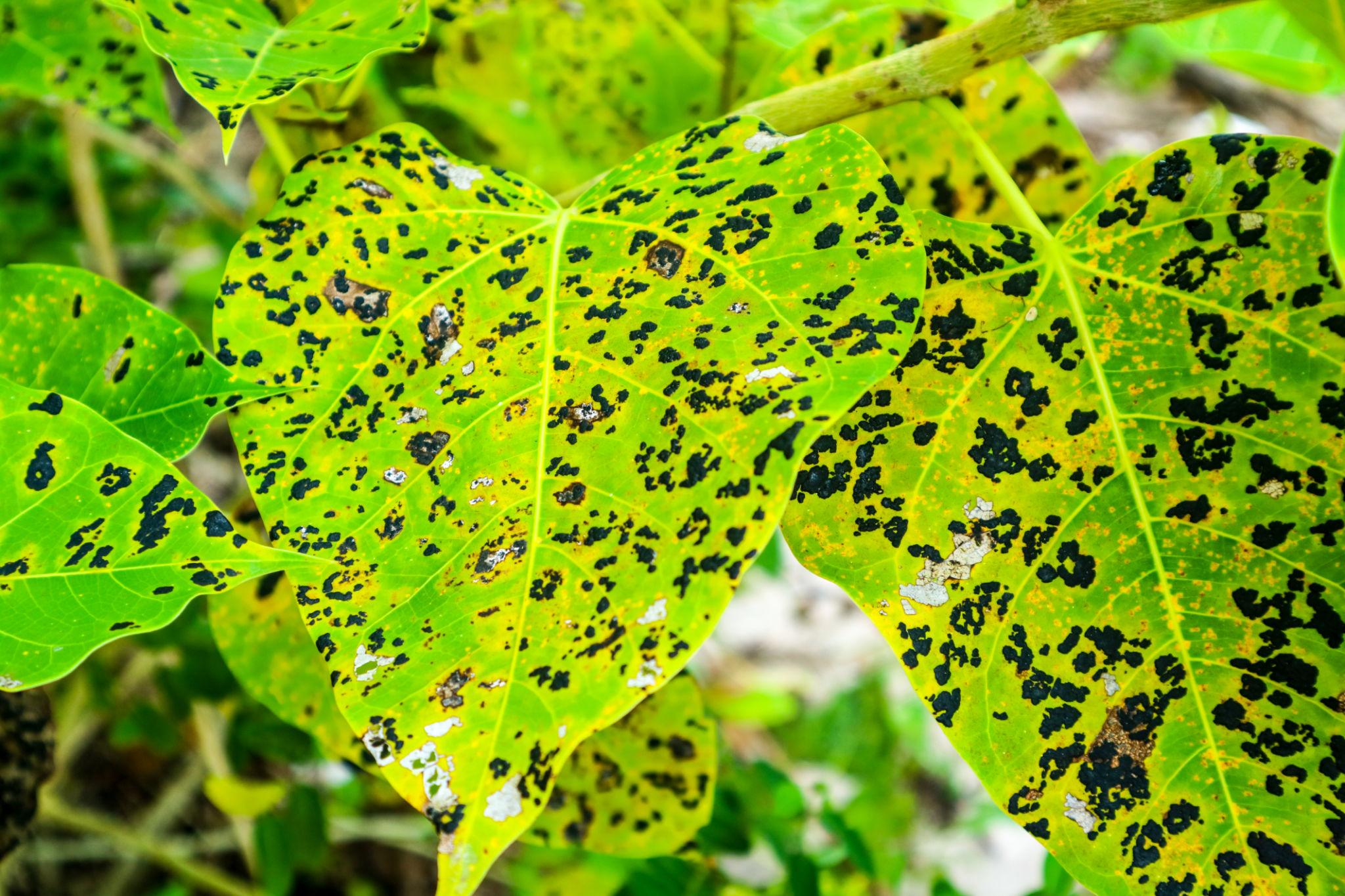
Fungicides are used to prevent and control fungal diseases that affect plant health. These diseases can spread quickly and damage crops if not managed properly.
Fungicides can be preventive or curative depending on when they are applied.
Using the wrong product will not solve the problem and may lead to wasted cost and crop damage. Correct identification of the issue is the first step toward effective crop protection.
Insecticides, herbicides, and fungicides each serve a specific purpose in agriculture. By understanding their roles, farmers can make better decisions, improve crop health, and increase productivity.
Explore Shivchem Agro’s trusted range of pesticides and fertilizers.
View Products