Call Us Anytime
+91 1146008555

Call Us Anytime
+91 1146008555Learn the most effective weed management practices for rice farming, including water management, herbicide application, manual control methods, and integrated weed management strategies.
Rice farming is one of the most important agricultural activities across India, but weed infestation remains a major challenge for farmers. Weeds compete with rice crops for nutrients, water, sunlight, and space, reducing crop growth and significantly affecting yield if not controlled properly.
Timely and effective weed management is essential for healthy crop development, improved grain quality, and better farm profitability. By adopting proper cultural, mechanical, and chemical weed control methods, farmers can protect their paddy fields and maximize productivity.
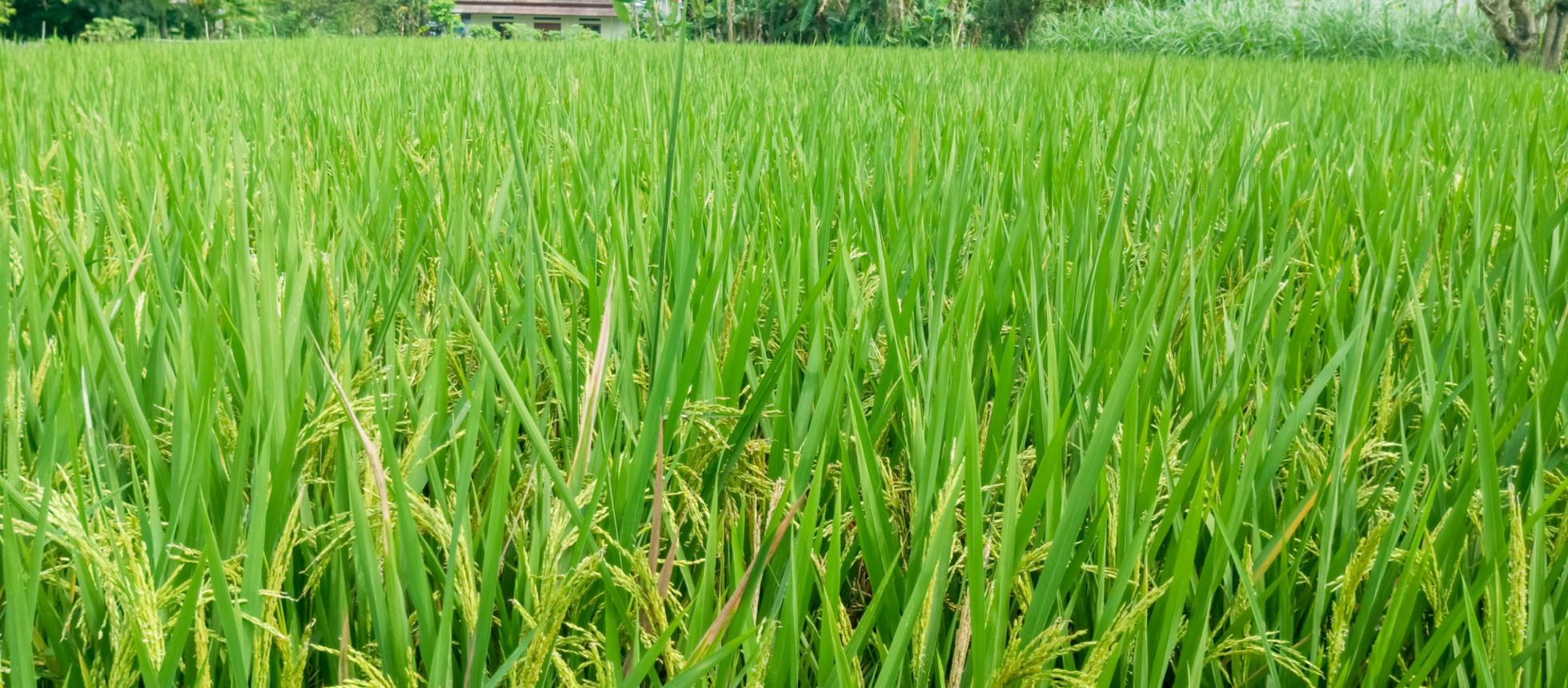
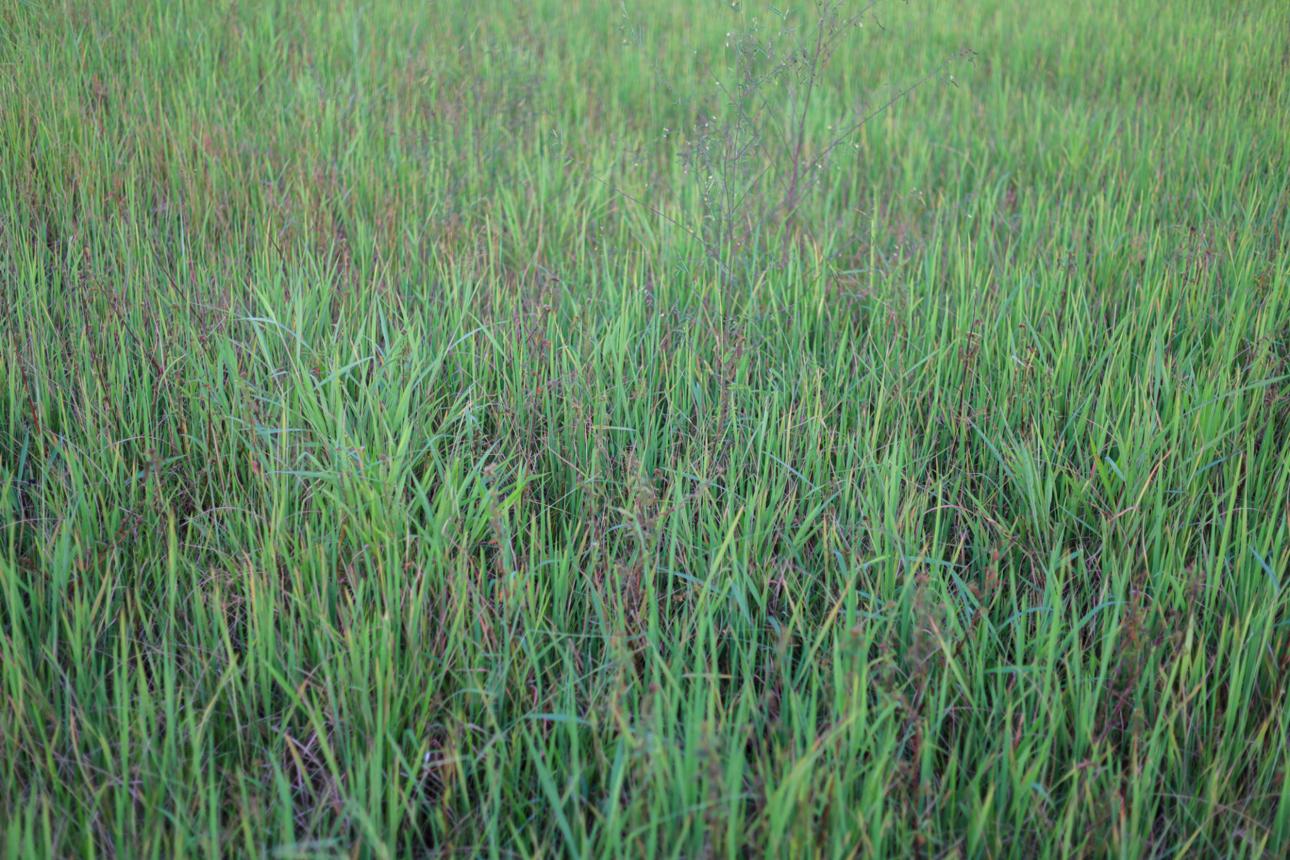
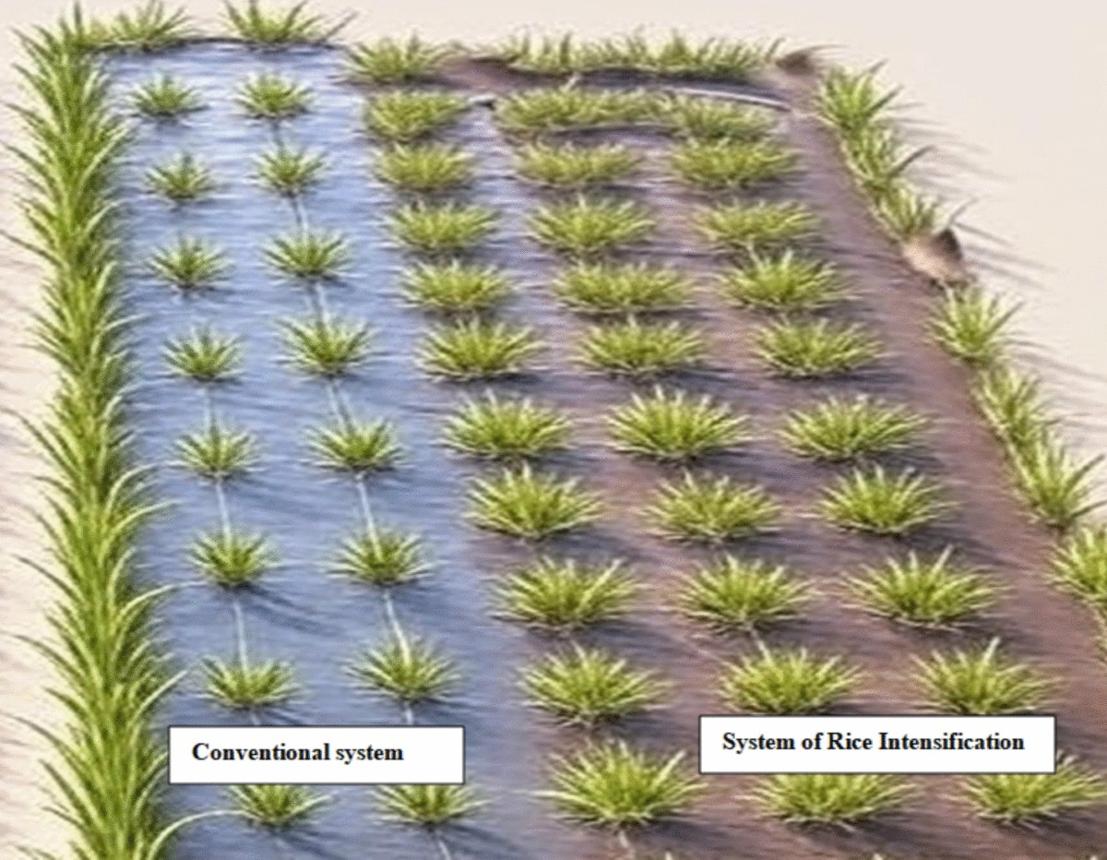
Weeds can reduce rice yield drastically if they are not controlled during the early stages of crop growth. The first 30 to 45 days after sowing or transplanting are considered the most critical period for weed competition.
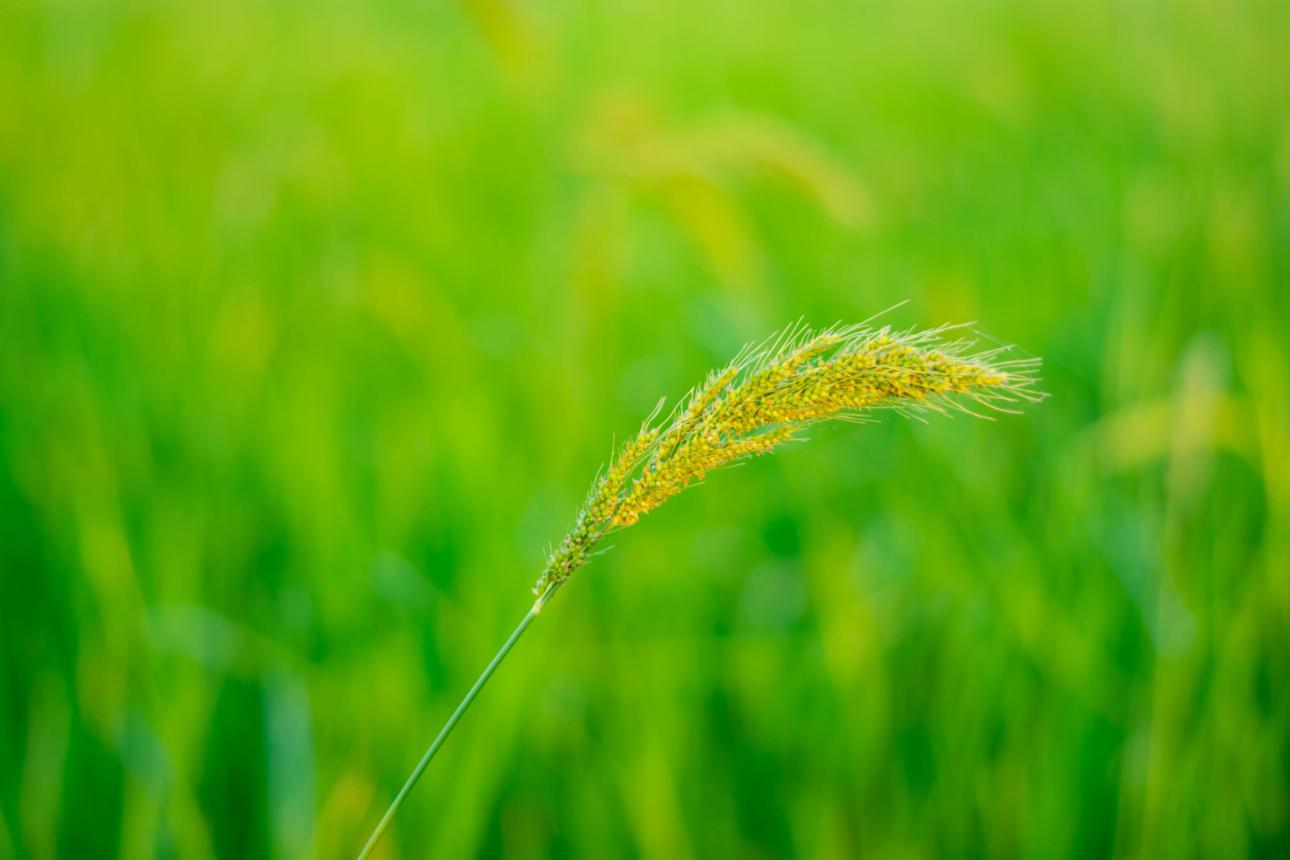
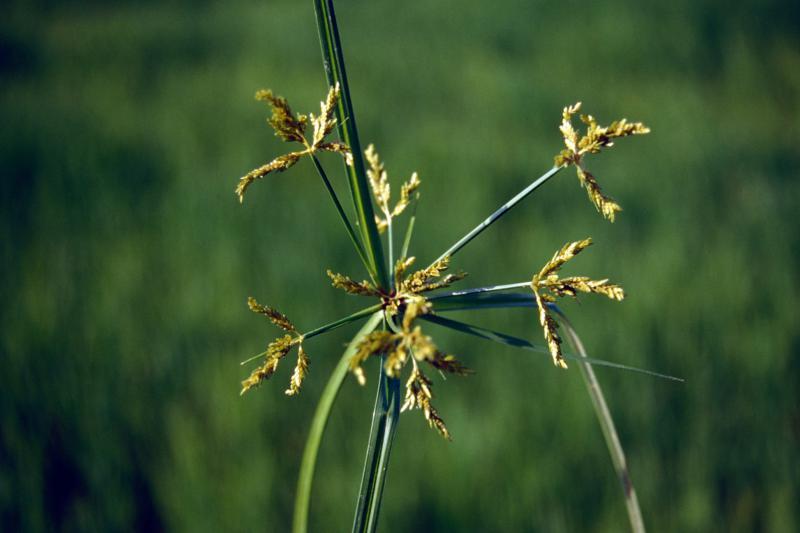
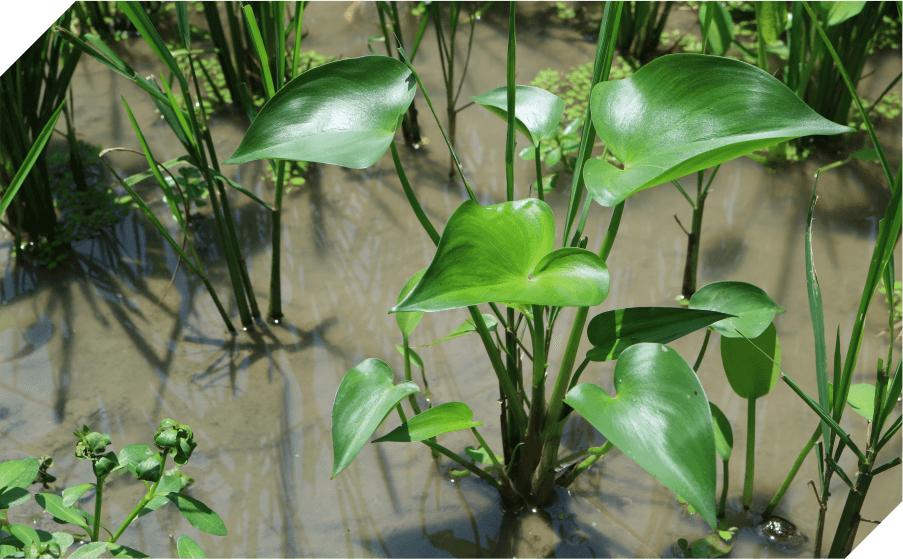
Correct identification of weeds helps farmers select the most effective weed control strategy.
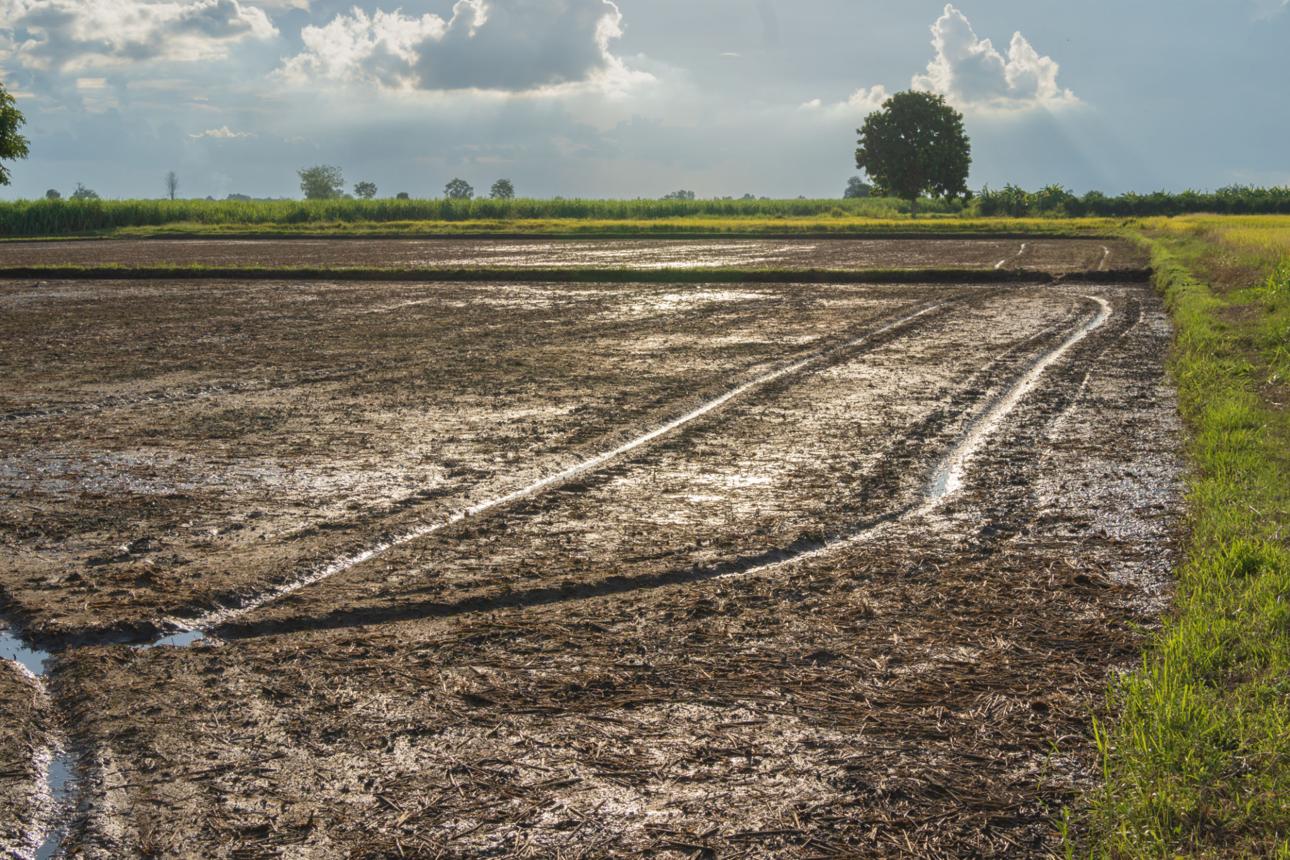
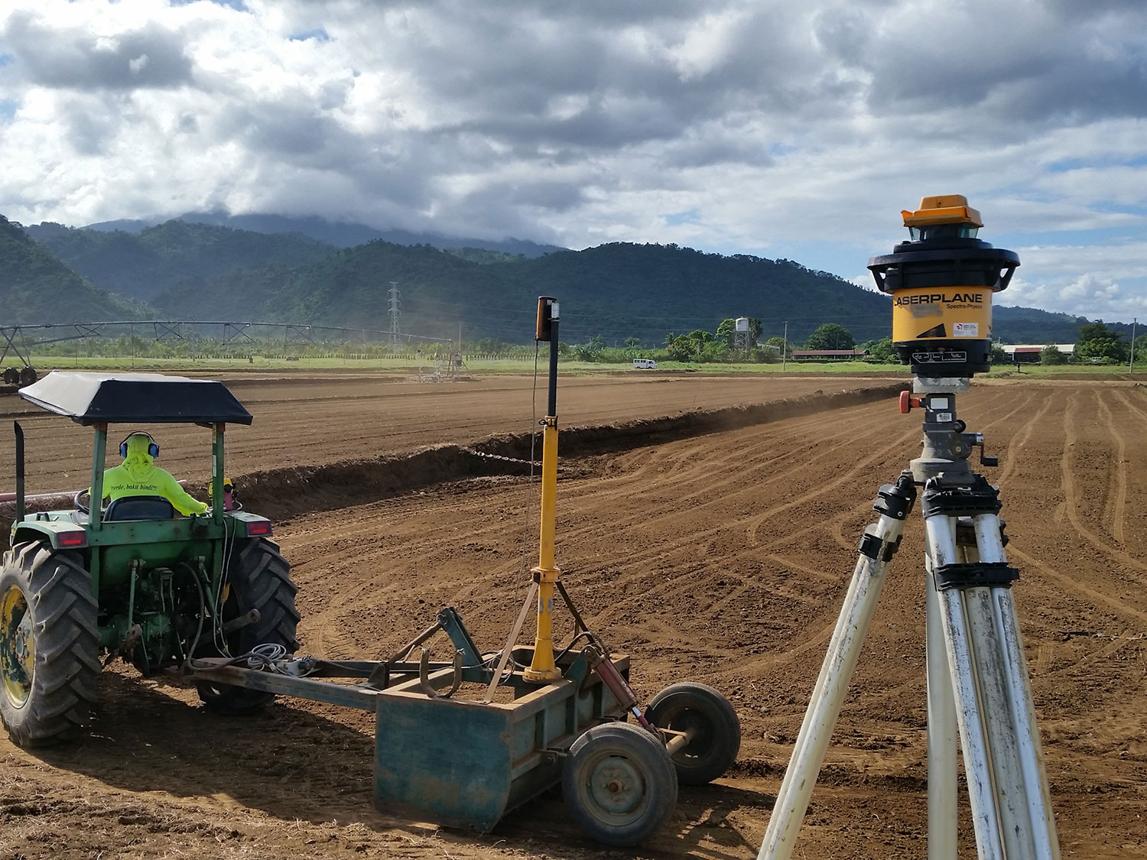
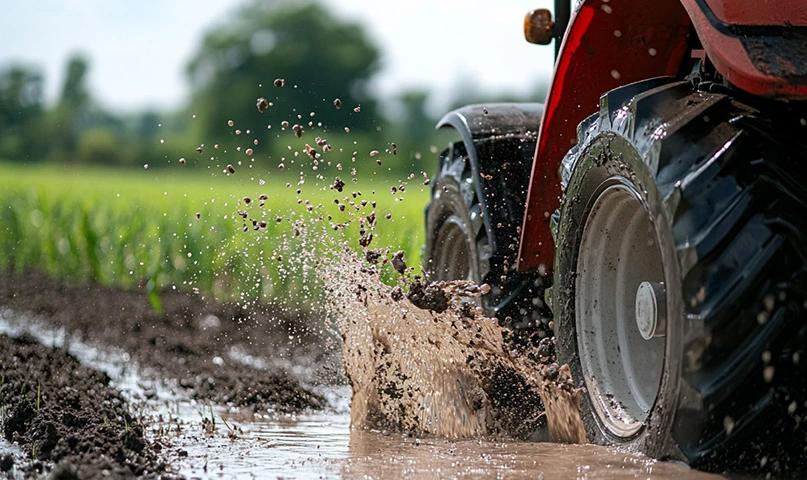
Proper field preparation is one of the most effective ways to reduce weed growth before sowing or transplanting rice crops.
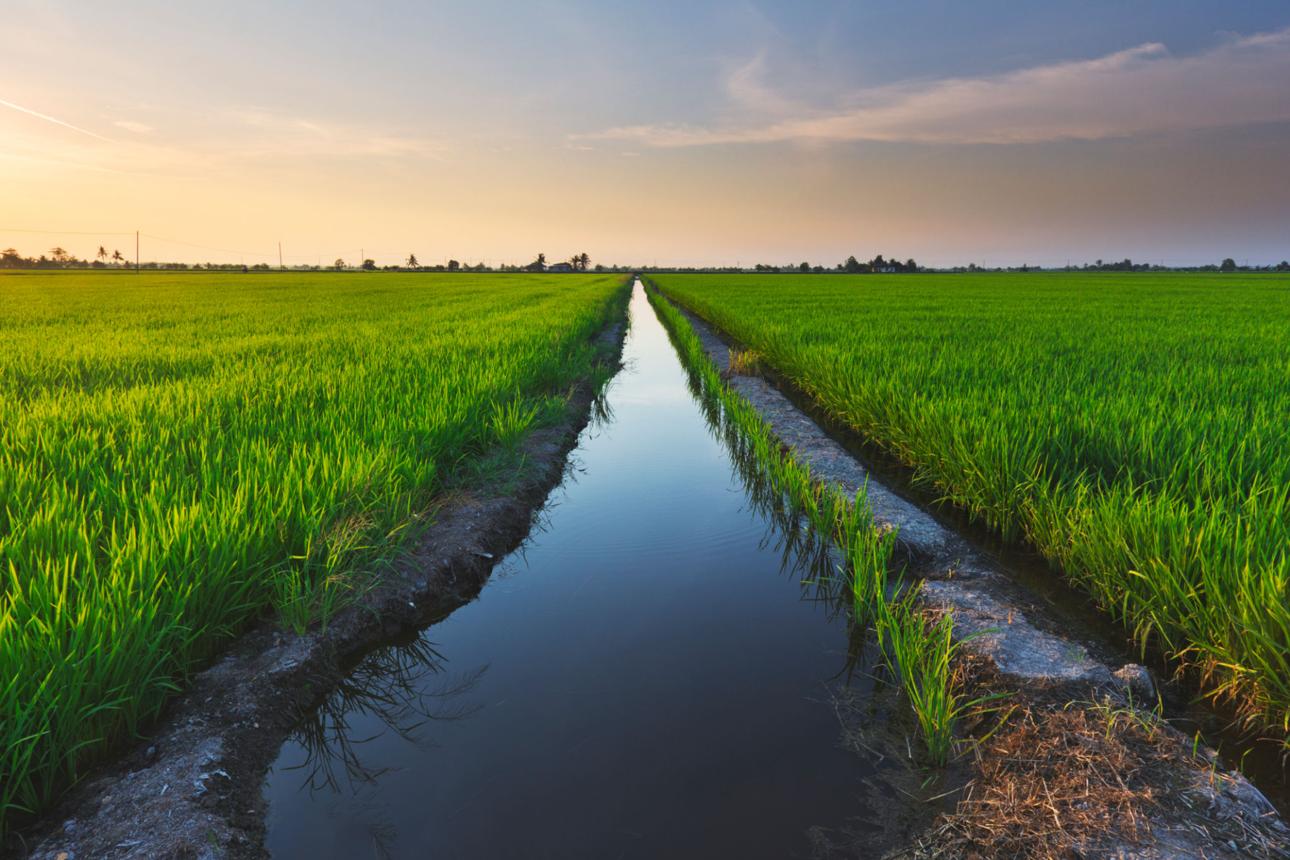
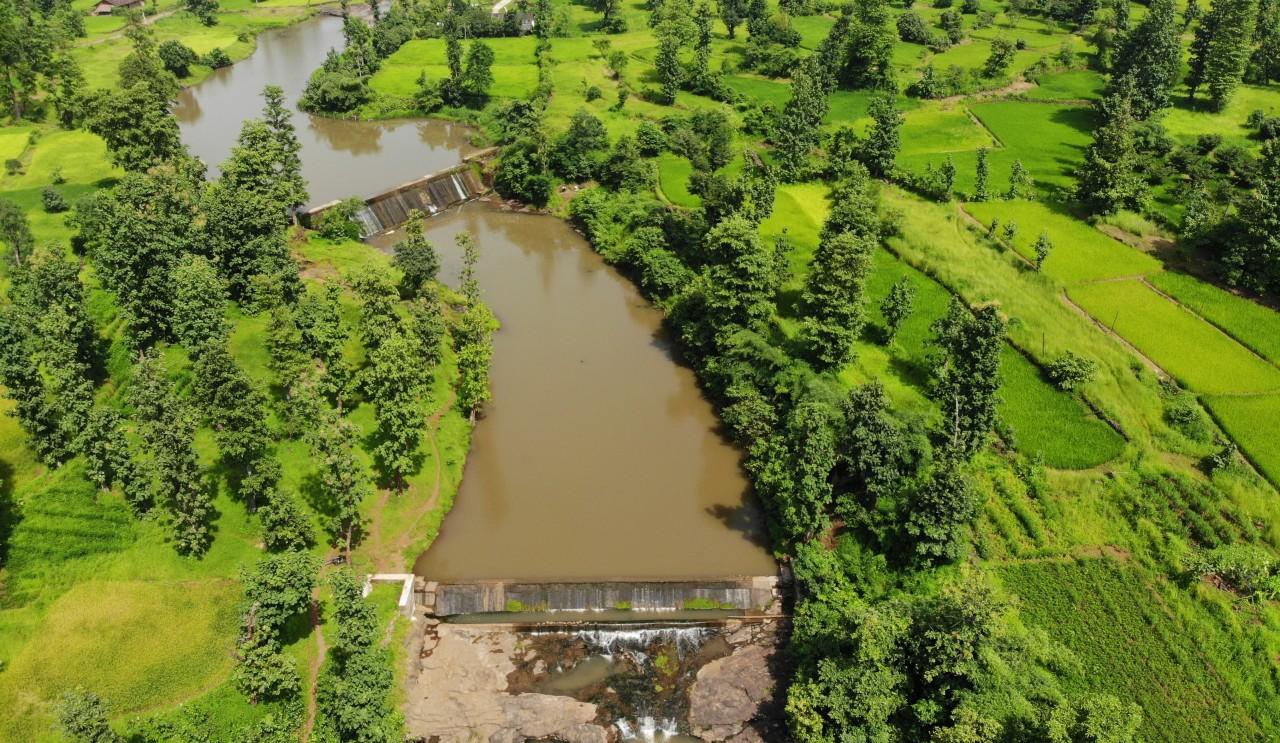
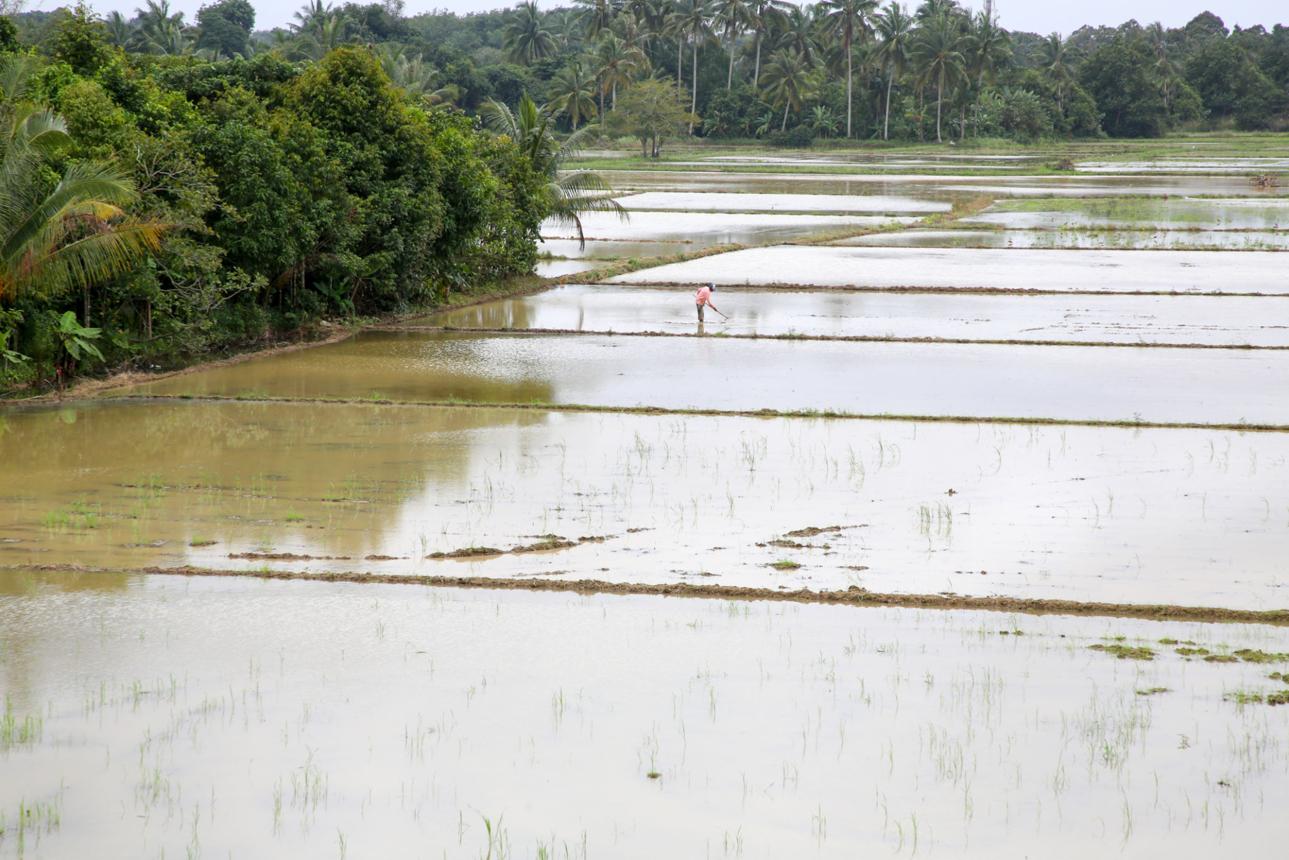
Maintaining proper water levels in rice fields helps suppress many weed species, especially grassy weeds.
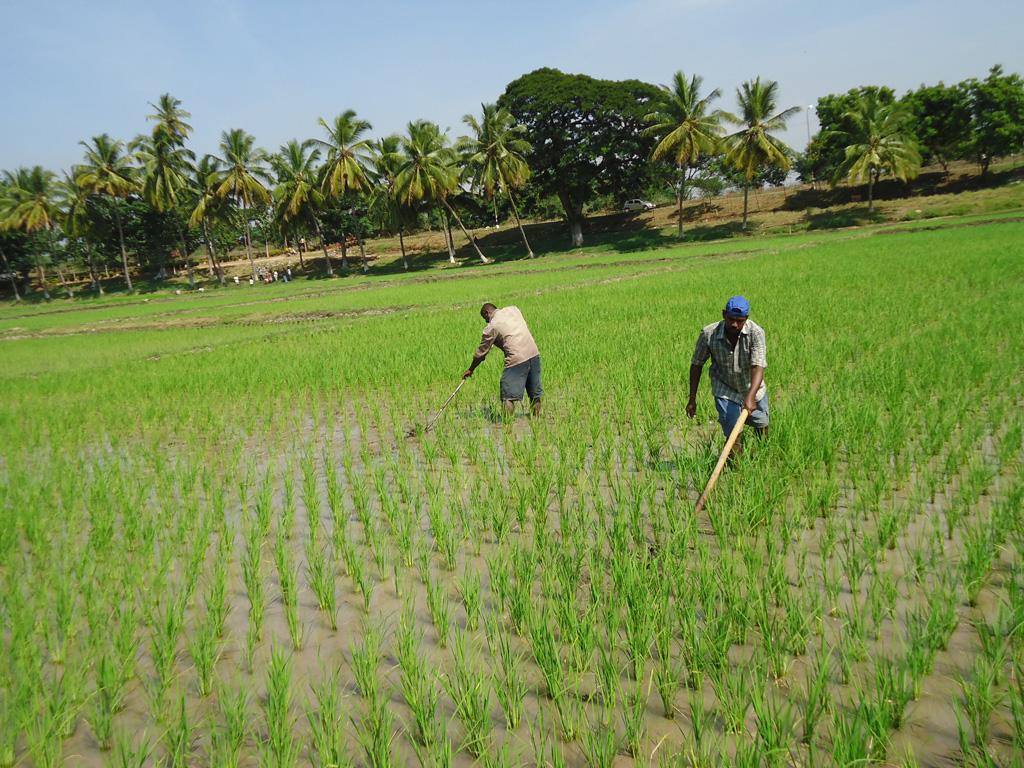
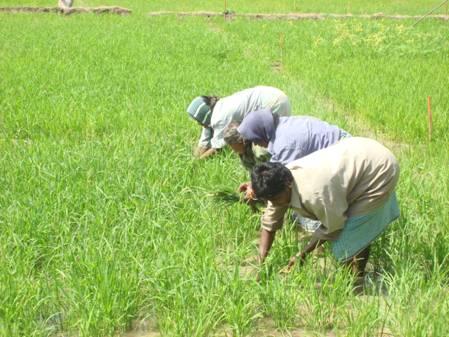
Manual and mechanical weeding methods are highly effective for removing weeds in small and medium-sized farms.
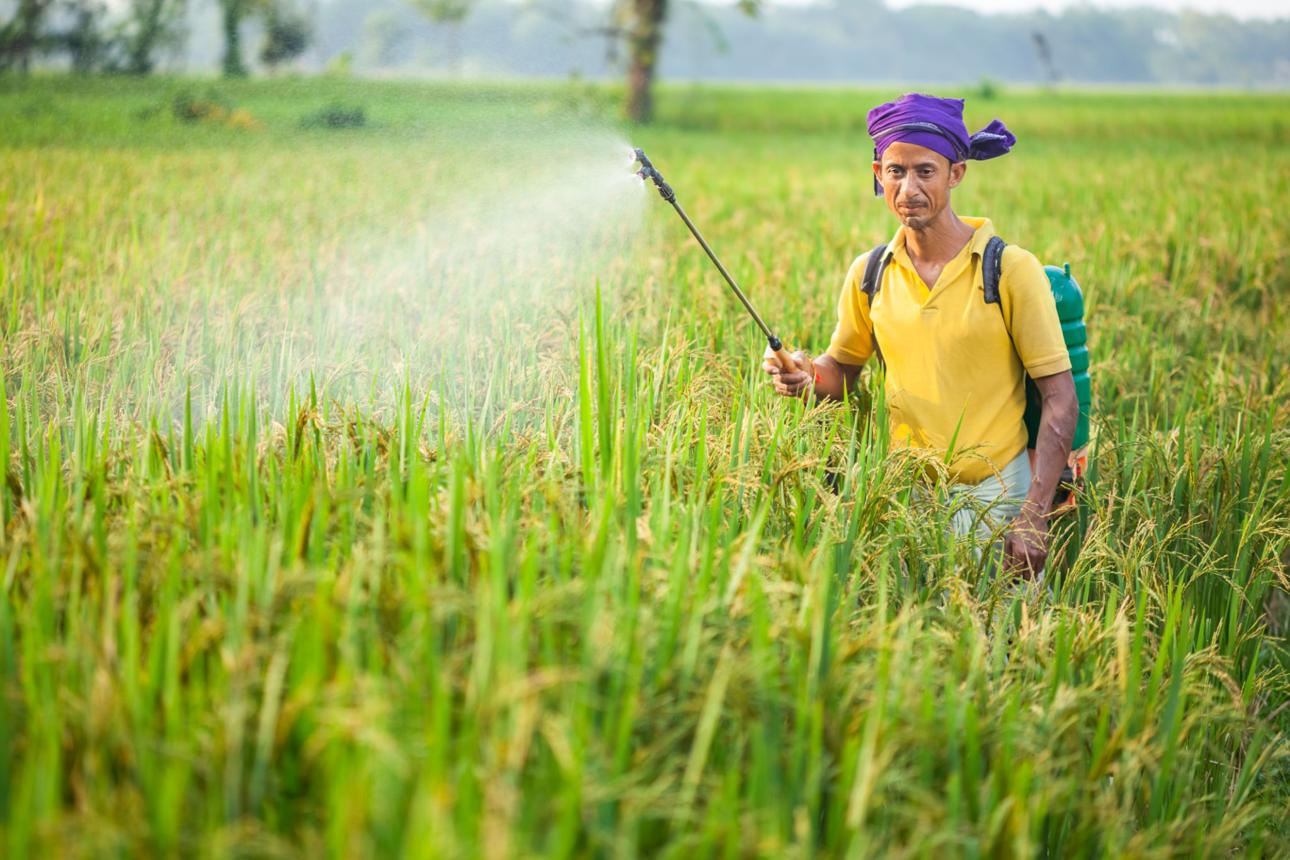

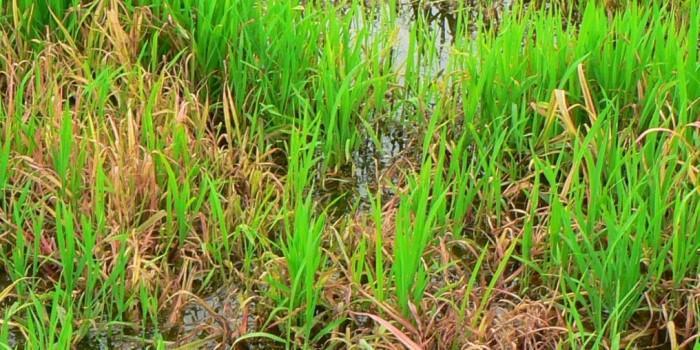
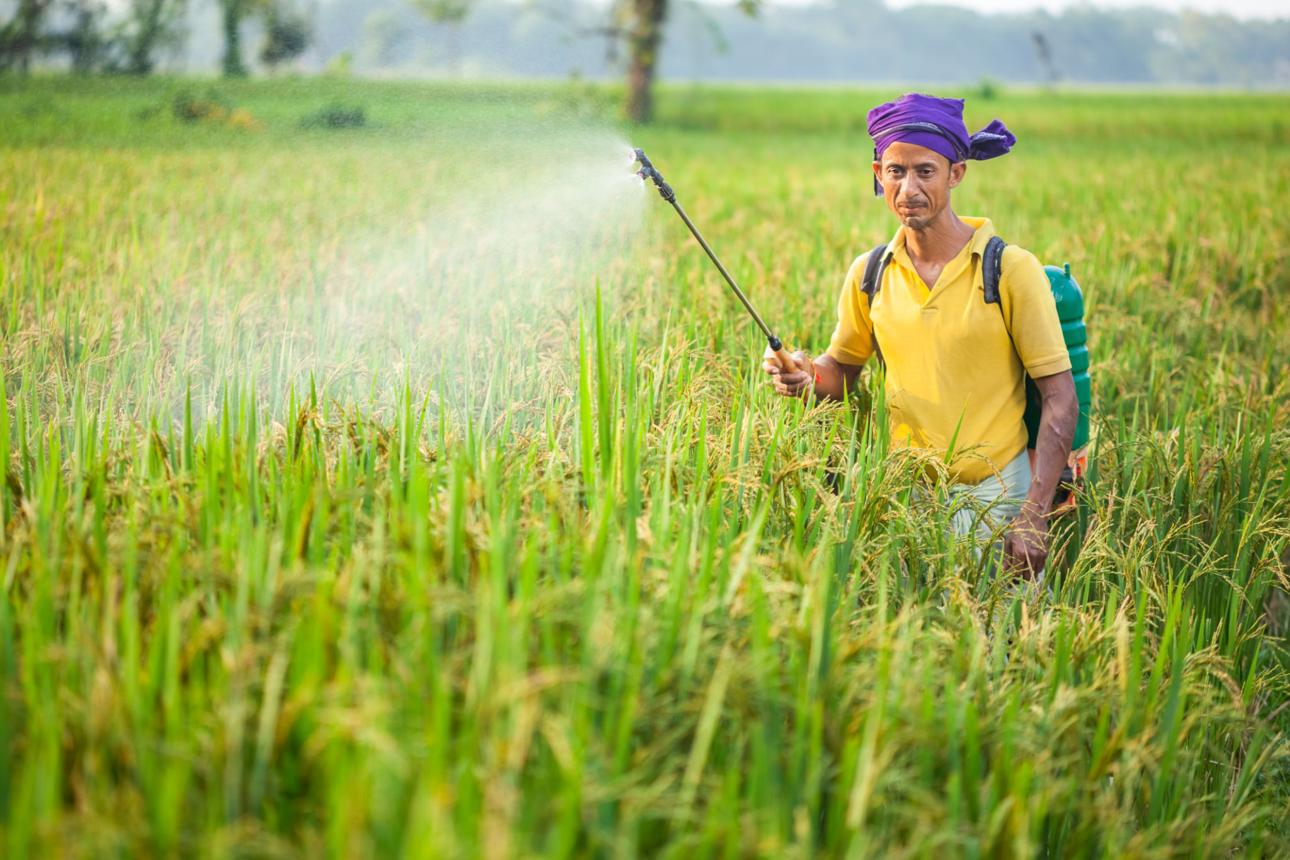
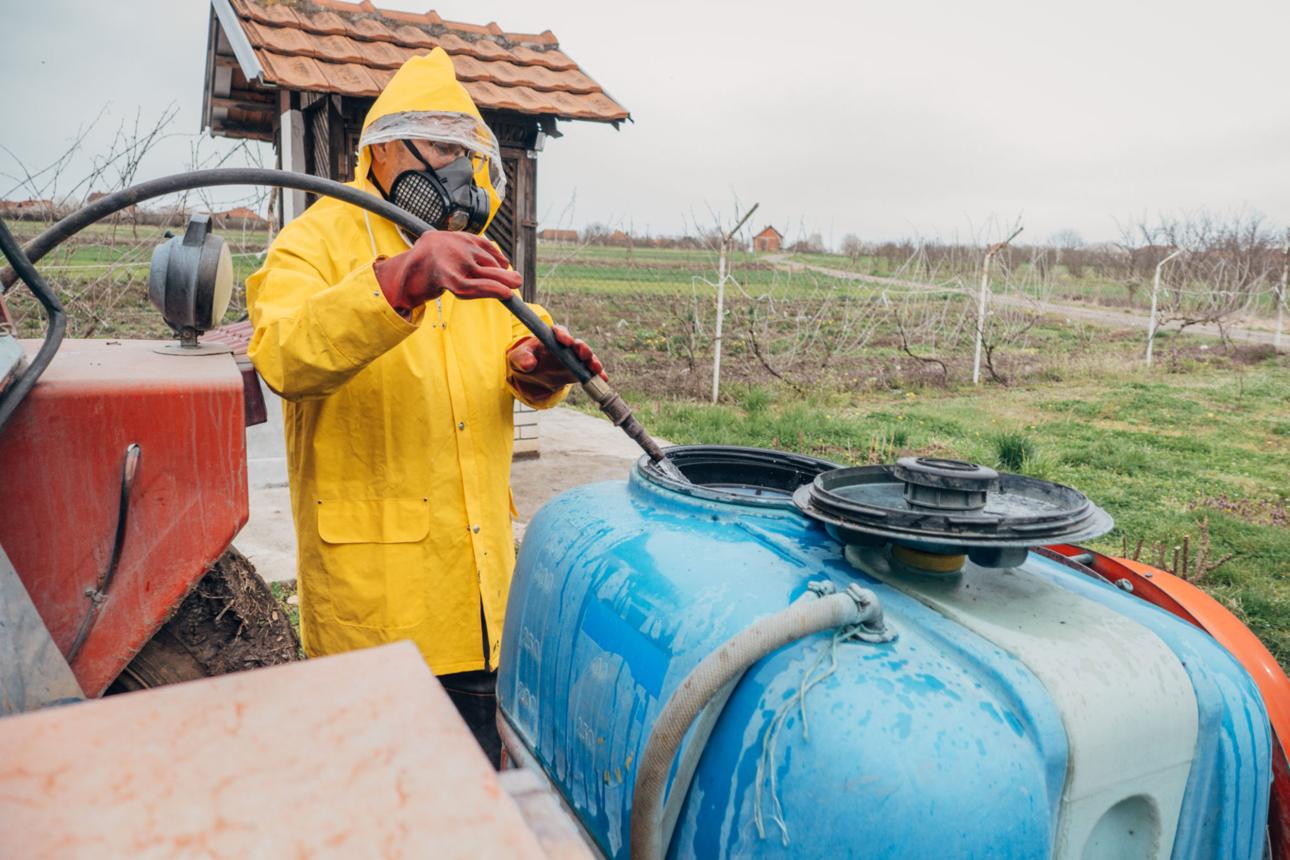
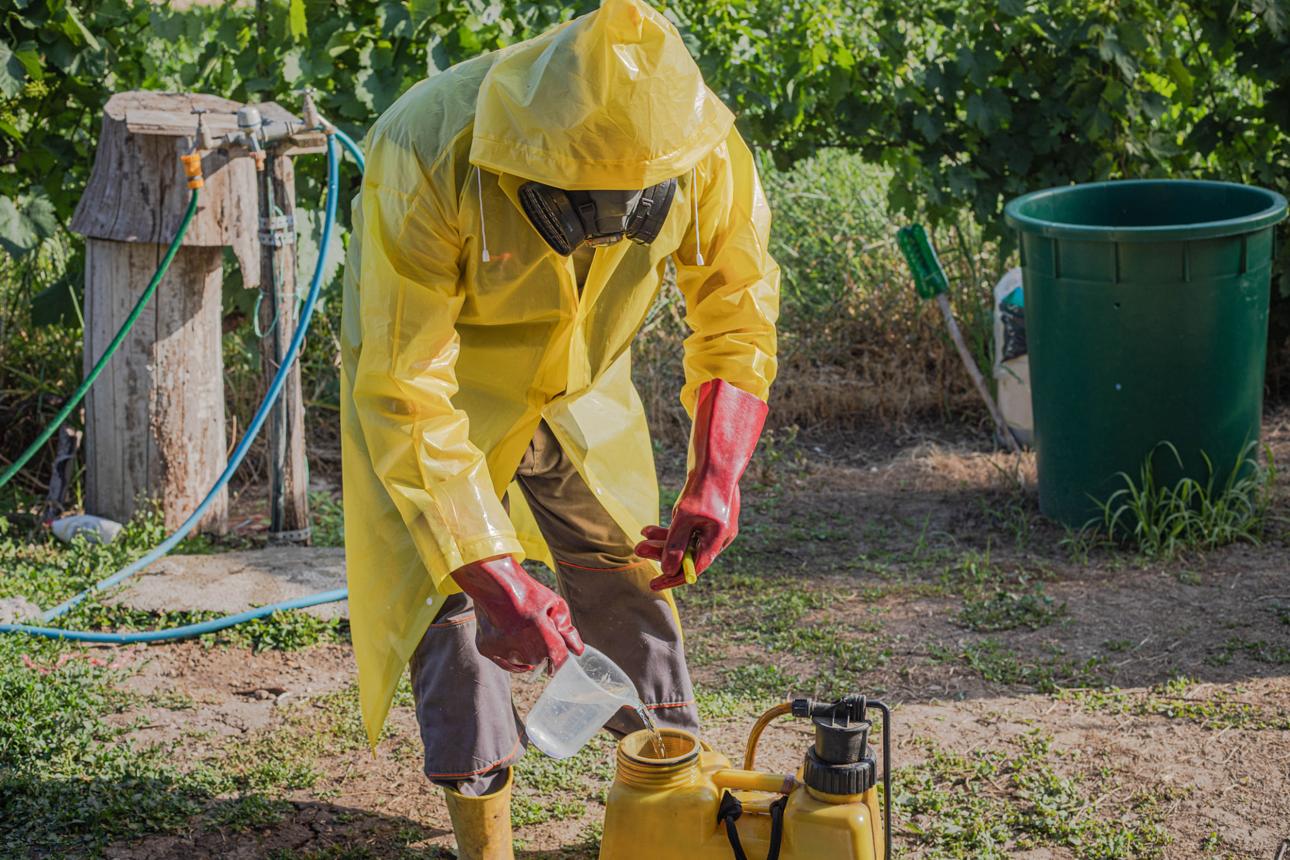
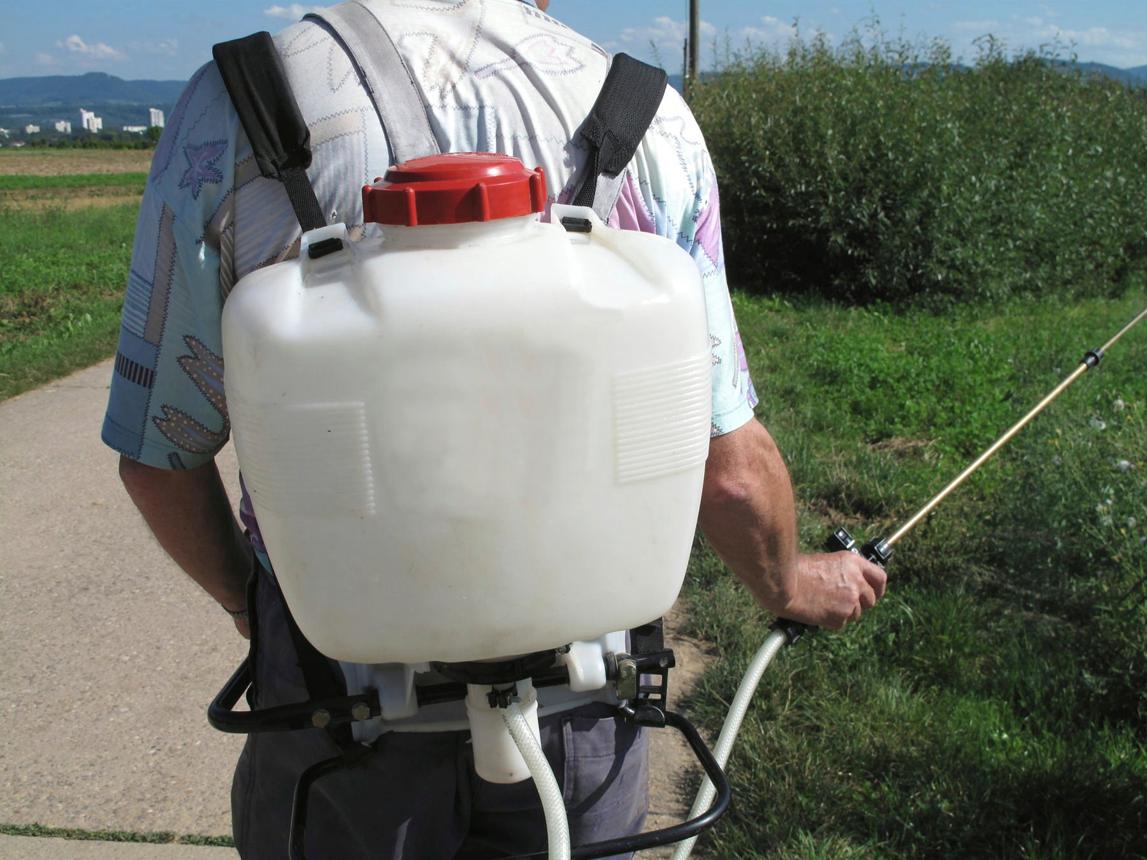
Responsible herbicide usage improves weed control efficiency while protecting crop health.

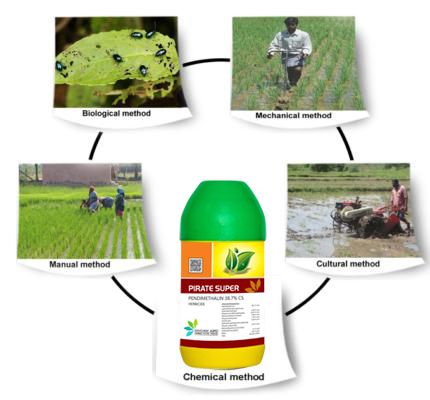
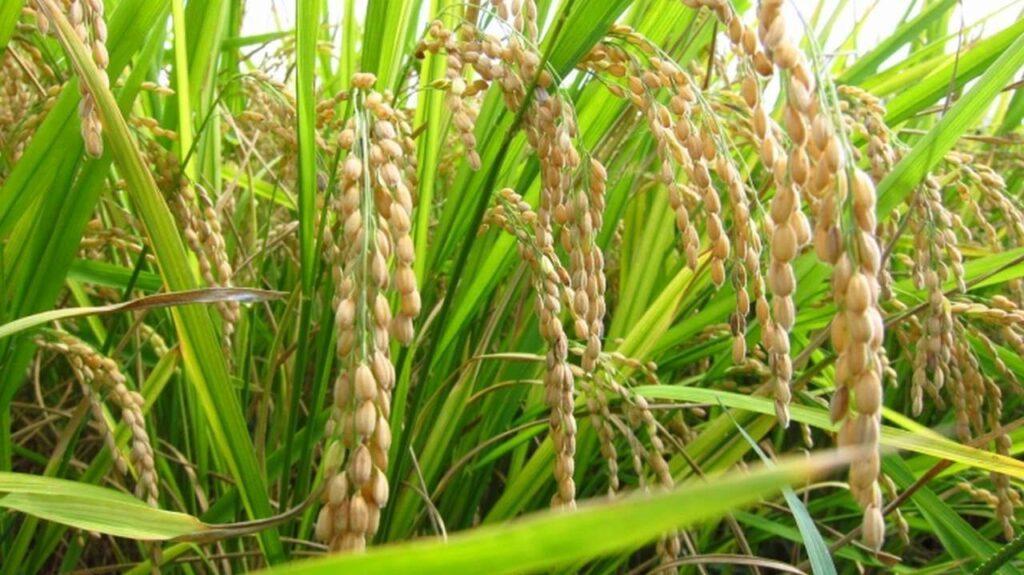
Integrated Weed Management combines cultural, mechanical, and chemical weed control methods for long-term effectiveness and sustainable farming.
Weed management is one of the most important practices for successful rice farming. Uncontrolled weeds can reduce crop yield, increase production costs, and negatively affect overall farm profitability.
By combining proper field preparation, water management, manual weeding, and responsible herbicide application, farmers can effectively control weeds and improve crop productivity. Integrated Weed Management practices further support sustainable agriculture and long-term farming success.
Explore Shivchem Agro Limited’s trusted range of herbicides and crop protection solutions designed for modern rice farming.
View Products